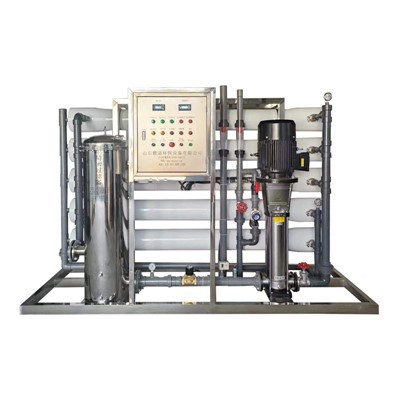
In my role as a supplier of Deionized Water (DI Water) systems, I’ve seen the increasing popularity of these systems across various industries. Deionized water, stripped of its mineral ions, is valued for its purity and used in applications ranging from scientific research to industrial manufacturing. However, like any technology, DI water systems come with their own set of disadvantages. Recognizing these drawbacks is crucial for customers to make informed decisions about whether a DI water system is the right choice for their specific needs. Deionized Water System
High Initial Investment
One of the most significant disadvantages of a Deionized Water System is the high initial cost. The equipment required for deionization, including ion – exchange resin columns, pumps, and monitoring devices, can be quite expensive. The complexity of the system also adds to the cost, as more advanced models are often needed to achieve the desired level of water purity. For small businesses or research facilities with limited budgets, this upfront investment can be a major barrier. They may find it difficult to justify spending a large sum of money on a DI water system, especially when they have other pressing financial needs.
Frequent Maintenance Requirements
Another drawback is the frequent maintenance that DI water systems demand. Ion – exchange resins, which are the core components of these systems, have a limited capacity to remove ions. Over time, the resins become saturated with the ions they have captured and need to be regenerated or replaced. This process involves the use of chemicals such as hydrochloric acid and sodium hydroxide, which can be hazardous to handle. Additionally, the regeneration process requires careful monitoring and control to ensure that the resins are properly restored to their original state.
Moreover, the pumps, valves, and other mechanical components of the system also need regular maintenance. These parts can wear out over time, leading to leaks, reduced flow rates, or other malfunctions. Regular maintenance checks are necessary to detect and address these issues before they cause significant problems. The time and resources required for maintenance can be a burden for users, especially those who do not have dedicated maintenance staff.
Limited Removal of Non – Ionic Contaminants
Deionized water systems are designed primarily to remove ionic contaminants from water. While they are highly effective at this task, they have limitations when it comes to removing non – ionic contaminants such as bacteria, viruses, and organic compounds. These contaminants can still be present in the deionized water, even after passing through the system.
In applications where the presence of non – ionic contaminants can have a significant impact, such as in the pharmaceutical or food and beverage industries, additional filtration or purification steps are required. This can add to the overall cost and complexity of the water treatment process. For example, ultraviolet (UV) disinfection or reverse osmosis may need to be used in conjunction with the DI water system to ensure the complete removal of all contaminants.
Environmental Impact
The use of chemicals in the regeneration process of ion – exchange resins has a negative environmental impact. The acids and bases used for regeneration are often disposed of after use, and improper disposal can lead to soil and water pollution. Additionally, the production of these chemicals also has an environmental cost, as it requires energy and raw materials.
Furthermore, the high energy consumption of DI water systems is another environmental concern. The pumps and other equipment used in the system require electricity to operate, contributing to greenhouse gas emissions. As the demand for deionized water increases, so does the energy consumption and environmental footprint of these systems.
Water Waste
During the regeneration process of ion – exchange resins, a significant amount of water is wasted. The backwashing and rinsing steps involved in regeneration require large volumes of water to flush out the contaminants and regenerant chemicals from the resin columns. This water is often discharged as wastewater, which not only represents a waste of a valuable resource but also adds to the cost of wastewater treatment.
In regions where water is scarce or expensive, the water waste associated with DI water systems can be a major issue. Users may need to implement water conservation measures, such as recycling the wastewater or using more efficient regeneration processes, to reduce their water consumption.
Sensitivity to Feed Water Quality
The performance of a Deionized Water System is highly sensitive to the quality of the feed water. If the feed water contains high levels of suspended solids, organic matter, or other contaminants, it can damage the ion – exchange resins and reduce the efficiency of the system. Pretreatment of the feed water is often required to remove these contaminants before they enter the DI water system.
Pretreatment processes can include filtration, sedimentation, and activated carbon adsorption. However, these additional steps add to the cost and complexity of the water treatment system. Moreover, the effectiveness of the pretreatment process needs to be carefully monitored to ensure that the feed water quality remains within the acceptable range for the DI water system.
Cost of Consumables
In addition to the high initial investment and maintenance costs, the cost of consumables for DI water systems can also be significant. As mentioned earlier, ion – exchange resins need to be replaced periodically, and the cost of these resins can add up over time. Other consumables, such as filters and membranes, also need to be replaced regularly to maintain the performance of the system.
The cost of chemicals used in the regeneration process is another factor to consider. The price of acids and bases can fluctuate depending on market conditions, and users may experience unexpected cost increases. For some businesses, the ongoing cost of consumables can be a significant financial burden.
Despite the Disadvantages, a Viable Option
Despite these disadvantages, a Deionized Water System can still be a viable option for many applications. The high – purity water produced by these systems can offer significant benefits in industries where water quality is critical. For example, in electronics manufacturing, deionized water is used to clean circuit boards and other components, as its low conductivity helps prevent electrical short – circuits. In the pharmaceutical industry, deionized water is used in the production of drugs, where the absence of impurities is essential.
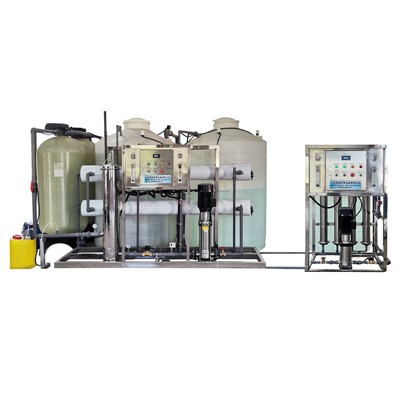
If you are considering the implementation of a Deionized Water System for your business or research facility, I understand that the above – mentioned disadvantages may raise concerns. However, our team of experts can help you assess your specific needs and develop a customized solution that minimizes these drawbacks. We can provide high – quality systems that are designed for efficiency and reliability, and offer comprehensive support services to ensure smooth operation and maintenance.
RO Purified Water Equipment We are committed to helping our customers make the most of their investment in a Deionized Water System. Whether you need advice on system selection, installation, or ongoing maintenance, we are here to assist you. If you are interested in learning more about our Deionized Water Systems or would like to discuss your specific requirements, please feel free to contact us. We look forward to the opportunity to work with you and help you find the best water treatment solution for your needs.
References
- AWWA (American Water Works Association). "Water Quality and Treatment: A Handbook of Community Water Supplies."
- ASTM International. "Standards for Water and Wastewater Testing."
- Water Research Foundation. "Research Reports on Advanced Water Treatment Technologies."
Shandong Yanuo Environmental Protection Equipment Co., Ltd.
We’re well-known as one of the leading deionized water system manufacturers and suppliers in China, featured by quality products and good price. Please rest assured to buy bulk deionized water system made in China here from our factory. Customized orders are welcome.
Address: North Side of the Road, 1,000 Meters West of the Intersection of Fenghuangshan West Road and Provincial Highway S102, Wangfu Subdistrict, Qingzhou City, Weifang City, Shandong Province.
E-mail: ynhb.499973983@gmail.com
WebSite: https://www.zkyaruo.com/
