Globe valves are essential components in various industrial applications, known for their reliable flow control capabilities. As a trusted supplier of valve components, I have witnessed firsthand the critical role that each part plays in the overall functionality of globe valves. In this blog post, I will delve into the functions of the key components of globe valves and highlight their importance in ensuring efficient and safe operation. Valve Components

Body
The body is the primary housing of the globe valve, providing the structural support and containing the internal components. It is typically made of materials such as cast iron, cast steel, or stainless steel, depending on the application requirements. The body is designed to withstand the pressure and temperature of the fluid being controlled, as well as the mechanical stresses associated with the valve’s operation.
One of the key functions of the body is to provide a flow path for the fluid. The body has an inlet and an outlet port, which are connected by a passageway. The shape and size of the passageway can vary depending on the design of the valve, but it is typically designed to minimize pressure drop and turbulence. The body also contains the seat, which is the surface against which the disc seals to prevent leakage.
Bonnet
The bonnet is the cover that is attached to the top of the body, enclosing the stem and the packing. It provides a seal to prevent the fluid from leaking out of the valve and also protects the internal components from the environment. The bonnet can be either bolted or threaded onto the body, depending on the design of the valve.
One of the main functions of the bonnet is to provide a means of adjusting the packing. The packing is a material that is used to seal the stem and prevent leakage. Over time, the packing can wear out or become damaged, which can lead to leakage. The bonnet allows the packing to be adjusted or replaced without having to remove the entire valve from the pipeline.
Disc
The disc is the movable component of the globe valve that controls the flow of fluid through the valve. It is typically made of a material such as stainless steel or bronze and is designed to fit snugly against the seat to prevent leakage. The disc is connected to the stem, which is used to move the disc up and down to open and close the valve.
The shape and size of the disc can vary depending on the application requirements. Some discs are designed to provide a linear flow characteristic, while others are designed to provide a modulating flow characteristic. The disc can also be designed to be either quick-opening or slow-opening, depending on the application.
Stem
The stem is the component that connects the disc to the actuator and is used to move the disc up and down to open and close the valve. It is typically made of a material such as stainless steel or carbon steel and is designed to be strong and durable. The stem is threaded at one end to allow it to be connected to the actuator and at the other end to allow it to be connected to the disc.
One of the key functions of the stem is to provide a means of transmitting the force from the actuator to the disc. The stem must be able to withstand the high forces associated with opening and closing the valve, as well as the mechanical stresses associated with the valve’s operation. The stem also needs to be able to rotate smoothly to ensure that the disc can be positioned accurately.
Seat
The seat is the stationary component of the globe valve that the disc seals against to prevent leakage. It is typically made of a material such as stainless steel or bronze and is designed to be hard and wear-resistant. The seat is attached to the body of the valve and is usually machined to a precise surface finish to ensure a good seal.
One of the main functions of the seat is to provide a leak-tight seal when the valve is closed. The seat must be able to withstand the pressure and temperature of the fluid being controlled, as well as the mechanical stresses associated with the valve’s operation. The seat also needs to be able to resist corrosion and erosion to ensure a long service life.
Packing
The packing is a material that is used to seal the stem and prevent leakage. It is typically made of a material such as graphite or PTFE and is designed to be flexible and resilient. The packing is placed around the stem and is compressed by the packing gland to create a seal.
One of the key functions of the packing is to prevent the fluid from leaking out of the valve along the stem. The packing must be able to withstand the pressure and temperature of the fluid being controlled, as well as the mechanical stresses associated with the valve’s operation. The packing also needs to be able to resist corrosion and erosion to ensure a long service life.
Actuator
The actuator is the component that is used to open and close the globe valve. It can be either manual, electric, pneumatic, or hydraulic, depending on the application requirements. The actuator is connected to the stem and is used to provide the force needed to move the disc up and down.
One of the main functions of the actuator is to provide a means of controlling the flow of fluid through the valve. The actuator can be used to open and close the valve quickly or slowly, depending on the application. The actuator can also be used to modulate the flow of fluid by adjusting the position of the disc.
Importance of Quality Components
As a supplier of valve components, I understand the importance of using high-quality components in globe valves. The performance and reliability of a globe valve depend on the quality of its components. Using low-quality components can lead to premature failure, leakage, and other problems, which can result in costly repairs and downtime.
At our company, we are committed to providing our customers with the highest quality valve components. We use only the best materials and manufacturing processes to ensure that our components meet or exceed the industry standards. Our components are rigorously tested to ensure their performance and reliability, and we offer a comprehensive warranty on all of our products.
Contact Us for Your Valve Component Needs
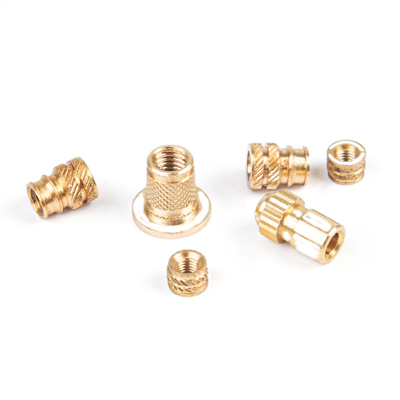
If you are in need of high-quality valve components for your globe valves, look no further. As a leading supplier of valve components, we have the expertise and experience to provide you with the right components for your application. Whether you need a single component or a complete valve assembly, we can help.
Parts Processing Contact us today to discuss your valve component needs and to learn more about our products and services. Our team of experts is available to answer your questions and to provide you with the support you need to make the right decision. Let us help you ensure the efficient and reliable operation of your globe valves.
References
- Crane Co. "Globe Valves Handbook."
- Valve World magazine, various issues on valve technology and components.
- Cameron, a Schlumberger company, technical documentation on valve components.
Taizhou Liuhuan Machinery Co., Ltd.
As one of the most professional valve components manufacturers and suppliers in China, we’re featured by quality products and good service. Please rest assured to buy customized valve components made in China here from our factory. For quotation, contact us now.
Address: Xinyuan Industrial Zone, Damaiyu Street, Yuhuan City, Zhejiang Province,China
E-mail: tzlhmachining@gmail.com
WebSite: https://www.tzlhmachining.com/
