Hey there! I’m a supplier of sheet cylindrical forming machines, and I often get asked this question: How often should a sheet cylindrical forming machine be maintained? Well, let’s dive right into it. Sheet Cylindrical Forming Machine
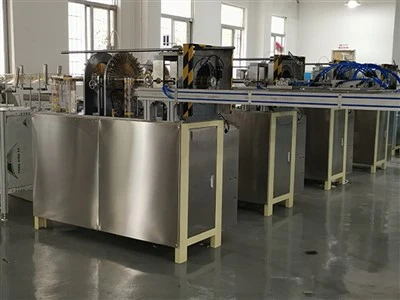
Understanding the Basics
First off, it’s important to know that maintenance isn’t just about fixing things when they break down. It’s about keeping your machine in top – notch condition so it runs smoothly and efficiently, and lasts a long time. A sheet cylindrical forming machine is a complex piece of equipment that goes through a lot of wear and tear during its operation.
Factors Affecting Maintenance Frequency
There are several factors that determine how often you should maintain your sheet cylindrical forming machine.
Usage Intensity
If your machine is running 24/7, it’s going to need more frequent maintenance than one that’s used only a few hours a week. High – intensity usage means more stress on the components, such as the rollers, motors, and gears. For example, if you’re running a large – scale production line where the machine is constantly forming sheets into cylinders, you might need to do a basic maintenance check every few days. This could involve things like lubricating the moving parts, checking for loose bolts, and inspecting the electrical connections.
On the other hand, if your machine is used sporadically, say for small – batch jobs once or twice a week, you can probably stretch out the maintenance intervals a bit. Maybe a basic check every couple of weeks would be sufficient.
Material Quality and Type
The type of material you’re using with the machine also plays a big role. If you’re working with thick, hard – to – form materials, the machine has to work harder. For instance, forming stainless – steel sheets into cylinders requires more force than working with aluminum. This extra stress can lead to more rapid wear of the tooling and other components. So, if you’re consistently using tough materials, you’ll want to maintain your machine more often.
Likewise, if the material you’re using has a lot of impurities or is abrasive, it can also cause more wear and tear. For example, some recycled metals might have small particles that can scratch the rollers or other contact surfaces. In such cases, you might need to increase the frequency of cleaning and inspection.
Environmental Conditions
The environment where the machine is located matters too. If it’s in a dusty or humid environment, it can accelerate the deterioration of the machine. Dust can get into the electrical components and cause short – circuits, while humidity can lead to rust and corrosion on the metal parts.
In a factory with a lot of dust from other processes, you might need to clean the machine’s filters and cooling vents more frequently, maybe once a week. And if the humidity is high, you’ll want to check for signs of rust and apply anti – rust coatings as necessary. In a clean, climate – controlled environment, the machine will generally require less frequent maintenance.
Maintenance Schedule Breakdown
Daily Maintenance
Daily maintenance is quick but crucial. It’s like giving your machine a quick once – over to make sure everything is okay before you start using it.
- Visual Inspection: Walk around the machine and look for any obvious signs of damage, such as cracks in the frame or loose hoses. Check the tooling for any signs of wear.
- Lubrication Check: Make sure that the lubricant levels are okay. Some machines have sight glasses that allow you to easily check the oil or grease levels.
- Function Test: Turn on the machine and check that all the controls are working properly. Listen for any strange noises, which could indicate a problem.
Weekly Maintenance
Weekly maintenance is a bit more in – depth.
- Cleaning: Use a brush or compressed air to clean the machine, especially the areas where dust and debris tend to accumulate, like around the rollers and in the conveyor areas.
- Bolt Tightening: Check all the bolts and nuts on the machine and tighten any that have come loose. Vibration during operation can cause them to loosen over time.
- Electrical System Check: Inspect the electrical connections for any signs of overheating or loose wires. You can use a thermal imaging camera to detect any hot spots.
Monthly Maintenance
Monthly maintenance involves a more comprehensive check of the machine.
- Tooling Inspection and Replacement: Examine the tooling closely for wear and tear. If the cutting edges are dull or there are signs of excessive wear, it’s time to replace the tooling. This is important to ensure the quality of the formed cylinders.
- Motor and Gearbox Inspection: Check the motor for proper alignment and the gearbox for oil leaks and proper lubrication. A misaligned motor can cause more stress on the machine, and a leaking gearbox can lead to a loss of lubrication and premature failure.
- Calibration: Calibrate the machine to ensure that it’s forming the cylinders to the correct dimensions. This might involve adjusting the rollers or the control settings.
Annual Maintenance
Annual maintenance is like a full – scale physical for your machine.
- Component Overhaul: Some components, like the bearings and hydraulic cylinders, might need to be overhauled or replaced after a year of use. This involves disassembling the components, inspecting them for damage, and then reassembling them or putting in new parts.
- Software Update: If your machine has a control system with software, check for any available updates. New software can improve the machine’s performance and add new features.
The Benefits of Regular Maintenance
Regular maintenance has a whole bunch of benefits. Firstly, it increases the reliability of the machine. You won’t have to worry as much about unexpected breakdowns that can halt your production and cost you money.
Secondly, it improves the quality of the formed cylinders. A well – maintained machine can form the sheets more accurately and consistently, which is important for meeting your customers’ requirements.
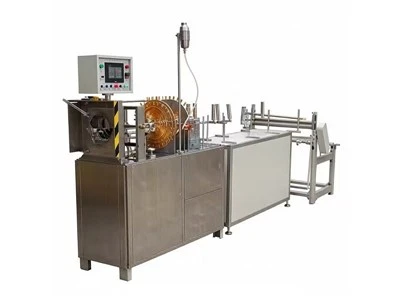
Thirdly, it reduces the overall cost of ownership. While it might seem like you’re spending more on maintenance, in the long run, you’ll save money by avoiding major repairs and replacing components prematurely.
Reach Out for More Info
Round Packaging Box Forming Machine If you’re still not sure how to schedule the maintenance for your sheet cylindrical forming machine, or if you’re in the market for a new one, don’t hesitate to reach out. We’ve got a team of experts who can help you figure out the best maintenance plan for your specific needs, and we can also offer top – quality sheet cylindrical forming machines. Whether you’re a small – scale workshop or a large – scale manufacturing plant, we’ve got solutions for you. So, get in touch and let’s start a conversation about how we can help you with your sheet – forming needs.
References
- "Industrial Machine Maintenance Handbook"
- "Guide to Sheet Metal Forming Equipment Maintenance"
- Industry – specific trade magazines on manufacturing and metalworking
Titagong (Dongguan) Machinery Co., Ltd.
We are one of the most reliable manufacturers and suppliers of sheet cylindrical forming machine in China. With abundant experience, we warmly welcome you to buy bulk high quality equipment in stock here and get pricelist from our factory. For price consultation, contact us.
Address: No.149, Qingyi Road, Qingxi Town, Dongguan City, Guangdong Province, China
E-mail: shuaizoe@gmali.com
WebSite: https://www.titagonggroup.com/
