If you’ve ever stopped to admire a glowing retail display, a cozy outdoor patio string light, or the twinkling custom signage at a local cafe, you’ve likely been looking at an LED module. As someone who’s spent the last 12 years supplying LED modules for decorative projects—from small residential accent installations to large-scale commercial holiday displays—I know that picking the right one can feel overwhelming. Decorative lighting isn’t just about brightness, it’s about feeling: it needs to complement a space, last through the seasons, and fit your exact creative vision, not just check a technical box. Over the years, I’ve worked with designers, contractors, and DIY homeowners who’ve come to us frustrated after buying the wrong modules—ones that were too harsh, died after a month, or didn’t match their color needs. Today, I want to break down what actually matters when selecting an LED module for decorative lighting, based on what I’ve learned from real projects, not just datasheets. LED Module
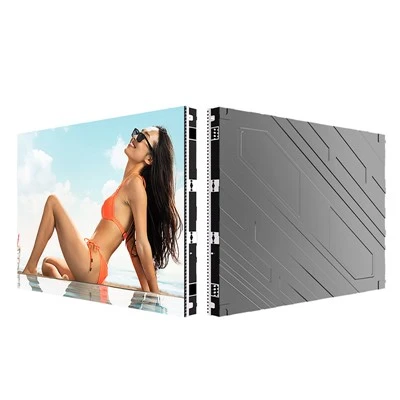
First, let’s get one thing straight: decorative LED modules are very different from the ones used for overhead warehouse lights or street lamps. Warehouse lights prioritize maximum brightness at low cost, but decorative ones need to work with light, not against it—so the light they emit is critical. The biggest factor here is color, and it’s not just “warm white” vs. “cool white.” Most new customers don’t realize that two modules labeled “warm white 2700K” can look drastically different from each other. That’s because of color consistency, measured by MacAdam ellipses, or “MacAdam steps.” A MacAdam step is a unit that describes how close two colors are on the color spectrum; most decorative applications call for a 3-step or 2-step MacAdam bin, not the cheaper 5-step or worse bins that some suppliers use to cut costs. I once had a designer come to us who’d bought 5-step modules for a hotel lobby accent wall; after installing them, there were obvious strips of yellow and pink running across the wall that ruined the entire look. We replaced them with 2-step modules, and it made all the difference. For colored decorative lighting—think for event lighting, signage, or holiday displays—color accuracy is equally important. If you’re trying to match a brand’s exact logo blue, you’ll want modules that use the exact wavelength specified by the brand’s guide, not generic “royal blue” that shifts purple or green when you turn them on. Ask your supplier for a color verification certificate for every batch, and don’t be afraid to request a sample batch before ordering full quantities.
Next, brightness is not one-size-fits-all. I see so many people default to “the brightest module I can find,” but that’s a mistake for decoration. A string light for a bedroom accent shouldn’t be as bright as one for a building facade. Brightness for LED modules is measured in lumens, but context is everything. For small, intimate decor—like under-cabinet lighting for a kitchen backsplash or fairy lights for a Christmas tree—10 to 50 lumens per module is usually enough. If you’re lighting a patio pergola or a retail store’s window display, you’ll want 50 to 150 lumens per module. For large-scale projects like a commercial building’s holiday light display or a event stage backdrop, you might need 150 to 300 lumens per module. But don’t just go by lumens alone—ask about viewing angle, too. A narrow viewing angle (10 to 30 degrees) is good for spot lighting, like highlighting a sculpture or a sign’s text, because all the light goes where you want it. A wide viewing angle (120 to 180 degrees) is perfect for ambient decorative lighting, like patio lights or wall washing, because it spreads light evenly across a space without creating dark spots. Last year, a customer ordered narrow-angle modules for a restaurant’s patio string lights, and complained that only the people standing directly under the string could see the light—everyone at the edges was in the dark. Switching to wide-angle modules fixed that in a few minutes, no re-wiring needed.
Durability is another make-or-break factor, especially for decorative lighting that’s often installed outdoors or in hard-to-reach places. I’ve seen decorative LED modules that stopped working within a year, even though they were marketed as “weatherproof.” The key here is IP rating, which stands for Ingress Protection. For indoor decorative use—like under shelves, inside signs, or around artwork—you’ll want an IP20 rating, which means they’re protected from dust and solid objects larger than 12.5mm, but not water-resistant. That’s fine for dry indoor spaces. For covered outdoor areas, like a porch that’s protected from direct rain, an IP65 rating is a safe bet—it’s dust-tight and protected against low-pressure water jets from any direction. If you’re installing them in direct rain, snow, or extreme humidity, like a garden path light or a poolside installation, go for IP67, which means they can be fully submerged in up to 1 meter of water for 30 minutes. But don’t just trust the IP number on the box—ask for real-world test data. A lot of suppliers will label a module IP65, but only tested it for a few minutes of water exposure, which isn’t enough for a New England winter or a Florida summer rainstorm.
Then there’s longevity, which ties into durability but is about how long the light stays good, not just how long it works. LED modules have a lifespan, usually measured as L70, which is the number of hours until the module’s brightness drops to 70% of its original output. For decorative lighting, you want at least 50,000 hours of L70 life, and ideally 70,000 or more. Let’s do the math: if a module is on for 8 hours a day, that’s 22 years of use for 70,000 hours. For holiday lights that are only on 2 months a year, that’s almost 100 years. I’ve had customers who tried to save a few dollars by buying modules with 30,000 hour lifespan, and within 3 years, half their display was dim or dead. They ended up spending twice as much replacing them as they would have on higher-quality modules in the first place. Also, check the thermal management of the module—this is the part most customers don’t think about, but it’s why some modules die fast. If an LED module doesn’t have a heat sink (even a small one) or a design that lets heat escape, the diodes will overheat, which makes their brightness drop faster and shortens their life. Cheap modules often use plastic bases that don’t conduct heat well, while higher-quality ones use aluminum bases that dissipate heat properly, leading to longer, better-performing light.
Another big consideration for decorative projects is flexibility and ease of installation. Decorative lighting is rarely a straight line—you might need to wrap modules around a curved sign, snake them through tree branches, or fit them into a tight space. That means flexibility of the module itself, or if you’re installing multiple modules together, the spacing between them. Some modules come as individual units that you can mount anywhere, while others are pre-assembled in strips. For example, if you’re making a custom neon-style sign, flexible LED modules that are mounted on a thin, bendable strip are way easier to work with than rigid square modules. If you’re lighting a large building facade and need to run 100+ modules, you’ll want modules that are compatible with common wiring systems—like 12V or 24V DC, which are safer for people than 120V AC, especially if you’re working around water. Also, ask about dimmability. Most decorative lighting needs to be adjusted—you might want softer light for a dinner party, brighter for a holiday event. Not all modules are dimmable, and even the dimmable ones require the right dimmer. LED dimmers are different from incandescent dimmers; if you use the wrong one, you’ll get flickering or the lights won’t dim evenly. When I work with customers, I always suggest they pick dimmable modules if there’s any chance they’ll need to adjust brightness, and we even provide compatible dimmer recommendations as part of our service.
Cost is obviously a factor, but it’s important to look at total cost, not just the upfront price. A $1 module might seem cheaper than a $2 module, but if the $1 one dies in a year, you’re paying $1 per year, while the $2 one lasts 10 years, that’s $0.20 per year. I always tell customers to ask their supplier about warranty, too. A good LED module should have a 3 to 5 year warranty, because that shows the manufacturer stands behind their product. If a supplier only offers a 1-year warranty, that’s a red flag—they don’t expect the module to last longer than that. Last year, we had a customer come to us after their 1-year warranty on cheap modules expired, and 20% of their patio string lights were dead. They had to pay a technician to replace each one, which cost more than the original modules. We supplied them with our 5-year warranty modules, and they’re still going strong two years later, with no maintenance costs.
There’s one more thing that sets decorative LED modules apart from other types: aesthetic consistency. It’s not just about color—some modules have visible components, like bulky heatsinks or wires, that take away from the decorative look. If you’re installing modules for a minimalist kitchen under-cabinet light, you’ll want slim, low-profile modules that sit almost flush against the surface, not big, chunky ones that stick out. For outdoor string lights, you’ll want modules with small, discreet housings, not ones that look like big plastic bulbs stuck on a wire that ruin the clean look of your space. When we send samples to customers, I always encourage them to install them in the actual space, not just hold them up to a wall in a store. Light looks very different in the real environment—natural light at different times of day, the color of the surrounding walls, even the temperature of the air can affect how the LED’s color looks. I once had a client who picked a “cool white 4000K” module for their living room, but when they installed it, it looked blue against their warm beige walls. We swapped it for 3000K, which still had a clean, bright look but complemented their walls perfectly. That’s the kind of small adjustment that makes a decorative project go from good to amazing.
At the end of the day, choosing the right LED module for decorative lighting is about matching the module to your specific project, not going by generic guidelines. You need to consider color consistency, brightness and viewing angle, IP rating and durability, lifespan, installation flexibility, and total cost, not just the initial price. If you take the time to ask the right questions, request samples, and work with a supplier who understands decorative lighting (not just industrial lights), you’ll end up with a display that looks great, lasts for years, and makes your space feel exactly how you want it. I’ve been in this business long enough to know that the best decorative lighting isn’t just functional—it’s an experience. The modules that make people stop and comment, that last through every holiday and every season, that don’t require constant maintenance—those are the ones that are worth investing in.
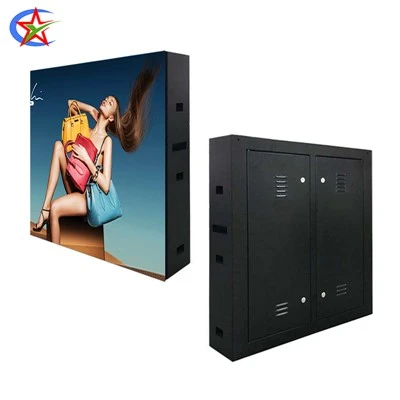
If you’re gearing up for a decorative lighting project, whether it’s a small residential accent or a large commercial display, and you want to talk through which LED modules will work best for your needs, feel free to reach out to our team to start a conversation about your requirements, sample requests, and project details.
Indoor Rental LED Display References
- Illuminating Engineering Society (IES). (2020). IES Guide for Selecting LED Modules for Decorative and Architectural Lighting. IES Lighting Library.
- National Electrical Manufacturers Association (NEMA). (2021). Ingress Protection (IP) Rating Standards for LED Lighting Products. NEMA Standards Publication No. WD 82-2021.
- Department of Energy (DOE). (2022). LED Module Longevity and Performance Metrics for Non-Residential and Decorative Applications. U.S. Department of Energy Office of Energy Efficiency and Renewable Energy.
- International Electrotechnical Commission (IEC). (2019). IEC 62386-209: Digital Addressable Lighting Interface (DALI) – Part 209: LED modules for decorative lighting. IEC Central Office.
- Lighting Research Center (LRC) at Rensselaer Polytechnic Institute. (2021). Color Consistency in LED Decorative Products: Practical Guidelines for Designers and Installers. LRC Publication No. 2021-003.
Shenzhen Starcolor Optoelectronics Co., Ltd.
As one of the most professional led module manufacturers and suppliers in China, we’re featured by quality products and good price. Please rest assured to wholesale discount led module in stock here from our factory. Customized orders are welcome.
Address: 2nd floor, Building A, Hongjingda Industrial Park, Shiyan town, Bao’an District, Shenzhen
E-mail: starcolorled@outlook.com
WebSite: https://www.starcolordisplay.com/
