Hey there! I’m a supplier of polyurethane screens, and today I want to dig into a question that often pops up: Can a polyurethane screen be used in electrical applications? Let’s break it down and see what we find. Polyurethane Screen
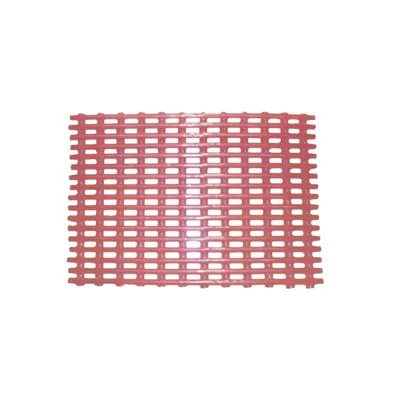
First off, let’s talk a bit about what polyurethane screens are. Polyurethane is a type of polymer that’s known for its durability, flexibility, and resistance to wear and tear. Our polyurethane screens are made from high – quality polyurethane materials, and they’re usually used in industries like mining, agriculture, and food processing. They’re great at separating different materials, filtering out unwanted particles, and handling all sorts of tough jobs in these industries.
But when it comes to electrical applications, things get a bit different. Electrical applications have their own set of requirements, and we need to see if our polyurethane screens can meet them.
Electrical Insulation
One of the most important aspects of electrical applications is insulation. Electrical equipment needs to be insulated properly to prevent short – circuits, electrical shocks, and other safety hazards. Polyurethane, on the whole, has some pretty good insulating properties. It can resist the flow of electric current, which is a big plus.
In many simple electrical setups, like some consumer electronics or small – scale electrical devices, a polyurethane screen can act as a decent insulator. For example, if you have a device where you need to protect some sensitive electrical components from dust and debris while also providing a bit of insulation, a polyurethane screen could be just the thing. Its flexible nature allows it to be molded into different shapes, so it can fit nicely around various electrical parts.
However, in high – voltage electrical applications, it’s a bit more complicated. High – voltage systems require extremely high – quality insulation that can withstand really large electric fields without breaking down. While polyurethane has good insulating properties, it might not be up to the standard for the most high – end high – voltage applications. For instance, in a power grid transformer, the insulation requirements are so strict that materials specifically designed for high – voltage insulation are used.
Heat Resistance
Heat is another factor in electrical applications. Electrical components generate heat when they’re in use, and the materials around them need to be able to handle that heat without deforming or deteriorating. Polyurethane has a certain level of heat resistance. Most of our standard polyurethane screens can handle temperatures up to a certain point, maybe around 80 – 100 degrees Celsius.
For some low – power electrical applications where the heat generation is minimal, this heat resistance might be enough. Say, in a small LED light fixture or a simple battery – powered device, the heat produced is not very high, and a polyurethane screen can stay in good shape. But in high – power electrical equipment like large motors or industrial control panels, the heat can reach much higher levels. In these cases, our standard polyurethane screens might not be able to hold up. However, we do have some special formulations of polyurethane that can withstand higher temperatures. These are more expensive and are made by adding certain heat – resistant additives during the manufacturing process.
Chemical Resistance
In electrical applications, the materials also need to be resistant to various chemicals. There could be cleaning agents, lubricants, or even some corrosive substances present in the electrical environment. Polyurethane is generally quite resistant to a lot of common chemicals. It can stand up to things like water, oil, and some mild acids and alkalis.
This chemical resistance makes it suitable for many electrical applications. For example, in a control panel that might come into contact with some small amounts of coolant or cleaning fluids, a polyurethane screen can protect the internal electrical components. But if the electrical application involves exposure to stronger chemicals, like concentrated acids or some aggressive solvents, we need to be more cautious. We can test our polyurethane screens with specific chemicals to see how they’ll perform and make recommendations based on the test results.
Mechanical Properties
Electrical equipment often goes through vibrations, impacts, and mechanical stress during its operation. The materials used need to be able to withstand these mechanical forces. Polyurethane screens are tough and flexible. They can handle a fair amount of vibration and impact without breaking.
In electrical applications, this can be really useful. For example, in a portable electrical device that might get bumped around a bit, a polyurethane screen can protect the internal wiring and components from damage. It can also act as a shock absorber, reducing the impact on the delicate electrical parts. However, in some high – vibration electrical applications, like heavy – duty industrial motors, we might need to reinforce the polyurethane screen or use additional mounting methods to ensure it stays in place and performs well.
Advantages of Using Polyurethane Screens in Electrical Applications
Okay, so we’ve seen the challenges, but there are also some great advantages to using our polyurethane screens in electrical applications.
- Customization: We can customize the polyurethane screens according to the specific needs of the electrical application. We can adjust the thickness, shape, and even the surface texture to fit different electrical components and setups. For example, if a customer needs a thin, flat screen to fit inside a small electronic device, we can make it happen.
- Cost – effectiveness: Compared to some of the high – end materials used in electrical applications, polyurethane is relatively inexpensive. This makes it a great option for cost – conscious electrical product manufacturers. They can get the benefits of a good – quality screen without breaking the bank.
- Ease of Installation: Polyurethane screens are easy to install. They can be cut, drilled, and shaped using simple tools, which means that electrical technicians can quickly and easily integrate them into their systems.
Real – World Examples
Let’s look at some real – world examples of where our polyurethane screens have been used in electrical applications.
- Home Appliances: In many home appliances like refrigerators, washing machines, and coffee makers, our polyurethane screens are used to protect the internal electrical components from dust and debris. They act as a simple yet effective barrier, extending the lifespan of the appliances.
- Automotive Electronics: In cars, there are a lot of electrical components, from the engine control unit to the infotainment system. Our polyurethane screens are used in some of these systems to provide insulation and protection from vibrations and moisture.
Conclusion
So, can a polyurethane screen be used in electrical applications? The answer is yes, but it depends on the specific requirements of the application. For low – voltage, low – heat, and low – chemical – exposure applications, our polyurethane screens can be a great choice. They offer good insulation, heat and chemical resistance, and mechanical strength. However, for more demanding high – voltage and high – heat applications, we need to carefully consider the suitability and might need to use our special formulations or additional protective measures.
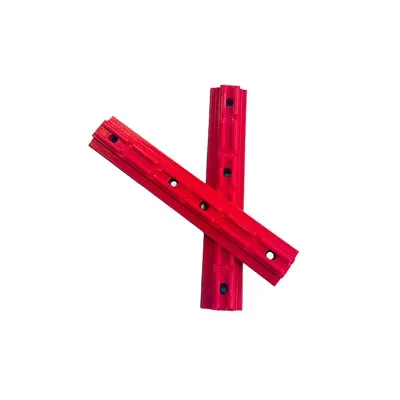
If you’re in the electrical industry and are thinking about using polyurethane screens in your products, I’d love to have a chat with you. We can go over your specific needs, test our screens in your environment, and come up with the best solution for you. Whether you need a simple screen for a small device or a customized solution for a large – scale electrical project, we’re here to help. Reach out to us to start the conversation about procurement and see how our polyurethane screens can benefit your electrical applications.
Pu Screen Mesh References
- "Polymer Science and Technology" by Morton M. Denn
- "Electrical Insulation Handbook" by E. F. Caroll
Yangzhou Yaye Wire Mesh Manufacturing Co., Ltd.
As one of the most professional polyurethane screen manufacturers in China, we have world-leading production equipment and strong manufacturing capabilities. Please feel free to wholesale cheap polyurethane screen in stock here from our factory. Also, free sample is available.
Address: No. 1 Jiangjia Road, High-tech Industrial Park, Jiangdu District, Yangzhou City, Jiangsu Province
E-mail: 13952515577@163.com
WebSite: https://www.yayescreen.com/
