Hey there! I’m a supplier of plastic formwork, and I’ve been in this business for quite some time. One of the most common questions I get from my customers is how to ensure the stability of plastic formwork during concrete pouring. It’s a crucial issue because if the formwork isn’t stable, it can lead to all sorts of problems, like uneven concrete surfaces, structural failures, and delays in the construction process. So, in this blog post, I’m gonna share some tips and tricks that I’ve learned over the years to help you keep your plastic formwork stable during concrete pouring. Plastic Formwork
Understanding the Basics of Plastic Formwork Stability
Before we dive into the specific tips, let’s take a quick look at what affects the stability of plastic formwork during concrete pouring. There are a few key factors to keep in mind:
- Load Capacity: Plastic formwork needs to be able to withstand the weight of the wet concrete, as well as any additional loads from workers, equipment, and vibrations during the pouring process. Make sure you choose formwork with a high load – bearing capacity that’s appropriate for the project.
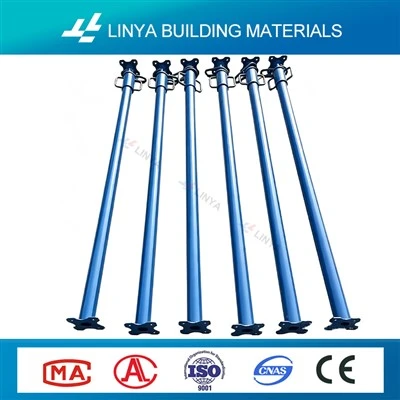
- Support System: A proper support system is essential for keeping the formwork stable. This includes the use of props, braces, and ties to prevent the formwork from shifting or collapsing under the pressure of the concrete.
- Installation Quality: How the formwork is installed plays a huge role in its stability. It needs to be properly aligned, leveled, and secured to prevent any movement during the pouring.
- Environmental Conditions: Factors like temperature, humidity, and wind can also impact the stability of the formwork. For example, extreme heat can cause the plastic to expand, while strong winds can put additional stress on the formwork.
Tips for Ensuring Plastic Formwork Stability
Now that we understand the basics, let’s get into the nitty – gritty of how to actually keep your formwork stable during concrete pouring.
1. Choose the Right Plastic Formwork
First things first, you gotta pick the right plastic formwork for your project. There are different types and sizes available, and not all of them are suitable for every job. Consider the following when making your selection:
- Thickness: Thicker formwork generally has a higher load – bearing capacity. Make sure the thickness is sufficient for the amount of concrete you’re gonna pour.
- Reinforcement: Some plastic formwork comes with built – in reinforcement, like ribs or webs, which can increase its strength and stability.
- Compatibility: Ensure that the formwork is compatible with the support system you plan to use.
2. Design a Proper Support System
A well – designed support system is the backbone of formwork stability. Here are some points to consider:
- Use Adequate Props: Props are vertical supports that bear the weight of the formwork and the concrete. Make sure you use enough props and space them correctly according to the load requirements. For example, for heavy – duty concrete pours, you might need to place the props closer together.
- Install Braces and Ties: Braces and ties help to hold the formwork in place and prevent it from moving sideways or tilting. Install them at regular intervals and make sure they’re properly tightened.
- Check for Stability: Before you start pouring the concrete, double – check the stability of the support system. Give it a little shake or tug to make sure everything is secure.
3. Pay Attention to Installation
The way you install the plastic formwork can make or break its stability. Here’s what you should do:
- Align and Level: Use a level and a plumb line to ensure that the formwork is properly aligned and level. Any unevenness can cause the concrete to pour unevenly and lead to instability.
- Secure the Formwork: Use screws, nails, or clamps to secure the formwork to the support system. Make sure all the connections are tight and don’t leave any loose parts.
- Seal the Joints: To prevent concrete leakage and maintain the integrity of the formwork, seal the joints between the formwork panels. You can use tape or a special sealant for this purpose.
4. Manage the Concrete Pouring Process
How you pour the concrete also affects the stability of the formwork. Follow these guidelines:
- Pour Slowly and Evenly: Pour the concrete in a slow and controlled manner to avoid overloading the formwork. If you pour too fast or unevenly, it can cause the formwork to shift or bulge.
- Avoid Impact: Try to minimize any impact on the formwork during the pouring process. For example, don’t drop the concrete from a great height, as this can put excessive stress on the formwork.
- Vibrate Properly: Vibrating the concrete helps to remove air bubbles and ensure proper compaction. However, be careful not to over – vibrate, as this can cause the formwork to move.
5. Monitor the Environmental Conditions
As mentioned earlier, environmental conditions can have an impact on formwork stability. Here’s how you can deal with them:
- Temperature: In hot weather, the plastic formwork may expand. To prevent this from causing problems, you can use expansion joints or wet the formwork to keep it cool. In cold weather, the plastic may become brittle. Make sure you store the formwork in a warm place before installation and take extra care during handling.
- Humidity: High humidity can cause the formwork to warp or become slippery. If possible, install the formwork in a dry environment or use a moisture – resistant coating.
- Wind: Strong winds can apply lateral forces on the formwork. If there’s a high – wind warning, consider using additional bracing or delaying the concrete pour until the weather improves.
Case Studies: Real – Life Examples
To give you a better idea of how these tips work in practice, let me share a couple of case studies.
Case Study 1: A High – Rise Building Project
We supplied plastic formwork for a high – rise building project. The construction team followed our advice on choosing the right formwork with high load – bearing capacity and designed a comprehensive support system with closely spaced props and well – installed braces. They also paid great attention to the installation process, making sure the formwork was perfectly aligned and leveled. During the concrete pouring, they poured slowly and evenly, and used proper vibration techniques. As a result, the formwork remained stable throughout the entire process, and the concrete surfaces came out smooth and even.
Case Study 2: A Small Residential Building
In a small residential building project, the contractor initially tried to cut corners by using a less – robust support system. During the concrete pouring, the formwork started to shift due to the weight of the concrete. When they called us for help, we advised them to quickly add more props and tighten the braces. They followed our advice, and although it was a bit of a scramble, they managed to stabilize the formwork before any major damage occurred. This case shows how important it is to have a proper support system from the start.
Conclusion
Ensuring the stability of plastic formwork during concrete pouring is a multi – faceted task that requires careful planning, proper installation, and attention to detail. By choosing the right formwork, designing a solid support system, paying attention to installation, managing the pouring process, and monitoring the environmental conditions, you can significantly reduce the risk of formwork failure and ensure a successful concrete pour.
Formwork If you’re in the market for high – quality plastic formwork or need more advice on how to keep it stable, don’t hesitate to reach out. We’re here to help you with all your formwork needs and make your construction project a success.
References
- Hansen, J. C. (2018). Concrete Formwork Engineering Handbook. NRMCA Publications.
- ACI Committee 347. (2014). Guide to Formwork for Concrete. American Concrete Institute.
- Brown, K. & Lee, M. (2016). "Best Practices for Plastic Formwork in Construction". Journal of Construction Engineering.
Shenzhen Linya Building Materials Co., Ltd.
We are one of the most professional plastic formwork manufacturers and suppliers in China, also support customized service. Welcome to buy bulk high quality plastic formwork in stock here from our factory. If you have any enquiry about free sample, please feel free to email us.
Address: Bantian International Center, No.5 Huancheng South Road, Ma’antang Community, Bantian Street, Longgang District, Shenzhen
E-mail: linya@formworksteelprop.com
WebSite: https://www.linyabuildingmaterials.com/
