If you’ve ever had a backyard fire pit night, a grilling mishap, or even a fireplace accident, you know how quickly ashes can turn from a cozy, harmless detail into a stubborn carpet stain. As a hot water carpet and upholstery cleaner supplier, I get dozens of questions about this exact scenario: can our hot water extraction equipment safely remove ash stains without damaging carpet fibers or leaving behind more mess than we started with? The short answer is yes—but only if you approach it correctly. Too many people reach for the wrong cleaning products or tools first, which not only makes ash stains worse but can also void carpet warranties or ruin upholstery fabric entirely. Today, I’m breaking down the science behind ash stains, why hot water extraction is uniquely suited to handle them, and the step-by-step process that works for both residential and commercial spaces. Hot Water Carpet and Upholstery Cleaner

First, let’s talk about what ash is, because understanding its chemical makeup is key to knowing how to clean it properly. Ash from wood, charcoal, or even fireplace remnants isn’t just fine, dusty debris—it’s a mix of unburned carbon, mineral salts, and tiny, sharp particulate matter that acts like a abrasive on carpet fibers. When ash gets wet (whether from a spill, rain, or a hasty cleaning attempt), those mineral salts dissolve and seep deep into carpet pile and even the backing, where they bond with the carpet’s fibers. Left untreated, these salts attract moisture from the air, leaving behind a dull, grey discoloration that’s impossible to brush out. The fine carbon particles, meanwhile, are hydrophobic at first—meaning they repel water temporarily—so if you try to wipe them up with a dry cloth, you’ll just smudge them further into the carpet, creating a larger stain. That’s why the old adage “blot, don’t rub” is extra important here, and why hot water extraction’s combination of heat, pressure, and cleaning agents works better than any DIY method I’ve seen.
Let me clarify: not all hot water cleaning systems are the same. As a supplier, I often hear customers say “I tried a rented hot water cleaner and it left a stain”—and that’s almost always because they used the wrong temperature, pressure, or cleaning solution. Ash stains require targeted heat, specifically between 140°F and 160°F. That temperature is hot enough to break down those mineral salt bonds that lock ash particles into fibers, but not so hot that it melts synthetic carpet fibers (like polyester or nylon, the most common types in homes and offices). Too much heat, and you can cause dye transfer or shrinkage; too little, and the salts and carbon stay intact, leaving the exact stain you were trying to remove. The high-pressure spray of a hot water extraction system also works here: it penetrates deep into the pile to dislodge ash without abrading fibers, which is a risk with stiff bristle brushes or scrubbing pads.
Now, let’s address a common myth: some people think they should vacuum ash stains before using a hot water cleaner. Wait—vacuuming dry ash is actually the worst first step. Standard vacuums with standard filters can’t capture the finest carbon and mineral particles from ash, so they’ll blow them back into the air or leave a fine layer on the carpet, which will then get pushed deeper when you start hot water cleaning. I always tell customers to start by carefully scraping up any loose, dry ash with a plastic card or a dull knife—never a sharp object that can snag carpet fibers. Then, use a specialized ash vacuum, which has a HEPA filter designed to capture those tiny, fine particles, to remove the loose debris. That pre-clean step eliminates the risk of spreading ash before you even touch your hot water equipment.
Once you’ve removed loose ash, it’s time to apply the hot water extraction method correctly. Here’s where our customers see the biggest difference: pairing the right cleaning solution with the hot water and pressure. For most standard ash stains on carpet, a pH-neutral, enzyme-free cleaning solution works best. Enzymes are designed for organic stains like food or pet urine, and they won’t break down the mineral salts in ash—they can even leave a residue that makes the stain worse. Our team, as suppliers, recommends a solution that’s specifically formulated for hot water extraction, balanced to work with the 150°F water temperature to dissolve ash particles without harming carpet fibers. For upholstery, which is more delicate than carpet pile, you’ll want to adjust the pressure slightly lower and use a solution formulated for fabric care, since upholstery fibers (like cotton, linen, or synthetic blends) are more sensitive to high heat and harsh chemicals.
I’ll share a real example from a customer last month, a small café that had a mishap during a outdoor end-of-season grill night. A table with a full ash tray was accidentally knocked over, spilling ash across a 6-foot section of wool blend carpet. The café’s manager tried wiping it with a wet cloth, which only smudged the carbon stain and left a dull grey patch that customers were complaining about. He rented a hot water cleaner from a big box store, set the heat to its highest setting, and tried scrubbing—only to make the stain larger, and even cause a few loops in the carpet to pill. When he reached out to us, we walked him through the correct process: first, use an ash vacuum to remove all loose debris, then set the hot water cleaner to 145°F, use a pH-neutral cleaning solution, and slowly pass the extraction wand over the stain, holding it 1 inch above the carpet (not pressing it directly into the pile) to avoid pushing particles deeper. The result? The stain was gone, and the carpet looked as good as new, with no shrinkage or discoloration. That’s the difference between using a hot water system correctly and using it as a DIY tool.
Now, let’s talk about edge cases. What if the ash is from a fire that burned at high temperature, or from a chemical fireplace log? Those types of ash have different chemical compositions—they might have higher levels of sulfur or other compounds that require a slightly adjusted cleaning solution. Our team as suppliers always recommends testing a small, inconspicuous area of the carpet first if you’re dealing with unusual ash stains. That means applying the cleaning solution and hot water to a hidden corner, waiting 10 minutes, and blotting to check for discoloration or dye transfer. For upholstery, especially delicate items like silk or velvet, hot water cleaning might not be the first choice—but with a low-pressure hot water extraction system and a specialized fabric-safe solution, it works for most upholstery pieces. We also advise against using hot water cleaning on natural fiber carpets like sisal or jute, which are highly absorbent and can hold onto ash particles even after cleaning, leading to mold or mildew growth. For those, a low-moisture cleaning method is better, but that’s a separate topic for another blog.
One question I get all the time is: can I use a hot water carpet cleaner on old ash stains, not just fresh ones? The answer is yes, but with one caveat—the longer the stain sits, the more the mineral salts bond to the carpet fibers, so you might need to do a second pass with the hot water system a few hours after the first. Old ash stains that have been exposed to humidity or moisture in the air will be more set-in, so increasing the solution concentration slightly and letting it dwell for 5 minutes before extraction will help break down those bonds. I always recommend not waiting more than 24 to 48 hours to clean an ash stain, because after that, the salts can crystallize permanently, making them much harder to remove.
As a supplier, I also want to emphasize that investing in a commercial-grade hot water cleaner is different from renting a residential model. Residential units often max out at 120°F, which isn’t hot enough to break down ash’s mineral bonds, and they have lower pressure, so they can’t pull ash particles out deep in the pile. Our customers that see the best results are those who use equipment with adjustable temperature (120°F to 180°F), adjustable pressure, and a built-in heating element that maintains consistent water temperature during use—no dropping heat mid-clean, which is a common issue with budget rental units.
I know that many homeowners are tempted to try DIY solutions like baking soda and vinegar for ash stains. Let’s address that: baking soda is alkaline, and vinegar is acidic, so mixing them creates a chemical reaction that foams up, but it doesn’t dissolve ash’s mineral salts. In fact, that foamy mixture can leave a residue in the carpet that attracts more dirt over time, making the stain come back faster. Hot water extraction works because it’s a physical and chemical process: the heat breaks the molecular bonds of ash, the pressure dislodges particles, and the cleaning solution lifts them away from fibers and into the extraction stream, which then pulls them out of the carpet entirely, leaving little to no residue.
If you’re dealing with an ash stain on carpet or upholstery, the key takeaways are: don’t use a standard vacuum to clean dry ash, use a plastic card to scrape loose debris, use an ash vacuum, then use a hot water cleaner set to 140-160°F with a pH-neutral cleaning solution, and always test an inconspicuous area first. For businesses like restaurants, hotels, or office buildings that deal with higher volumes of stains, a commercial hot water cleaner is an investment that saves money in the long run, as it eliminates the need for carpet replacement and keeps spaces looking clean for guests and employees.
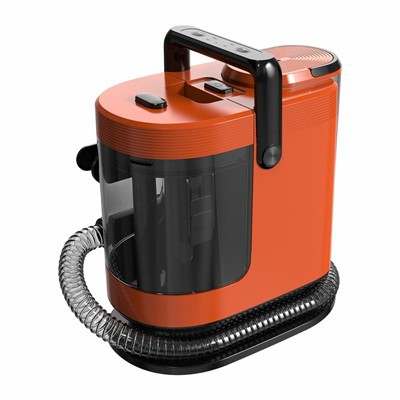
At the end of the day, hot water carpet and upholstery cleaners are not just useful for everyday spills—they’re specialized tools that can handle tough, set-in stains like ash, as long as you use them correctly. If you have questions about which system is right for your space, or need guidance on cleaning specific types of fibers, our team is here to help. We’ve worked with residential homeowners, commercial property managers, and cleaning services across the country to provide equipment and support that gets the job done right the first time. Whether you’re dealing with a single ash stain or need to equip your business with a reliable cleaning solution, we’re ready to help you find the right product and process for your needs. Get in touch with our team to discuss your cleaning requirements, request a demo, or learn more about how our hot water systems can keep your carpets and upholstery looking their best, even after unexpected stains.
Carpet and Upholstery Steam Cleaner References
- American Cleaning Institute. (2022). Carpet Stain Removal Guide: Ash and Particulate Matter. Retrieved from industry cleaning resources
- Carpet and Rug Institute. (2021. Hot Water Extraction Best Practices for Synthetic and Natural Fiber Carpets. Retrieved from technical cleaning standards
- Textile Institute. (2020. Fabric Care for Upholstery: Temperature and Pressure Guidelines for Extraction Cleaning. Retrieved from textile care research
Ningbo MLE Electrical Appliance Co., Ltd.
Ningbo MLE Electrical Appliance Co., Ltd. is one of the most reliable hot water carpet and upholstery cleaner manufacturers and suppliers in China, also supports customized service. Welcome to buy advanced hot water carpet and upholstery cleaner made in China here and get pricelist from our factory. Quality products and reasonable price are available.
Address: 921 Room, Jinsejiangnan Building, Zhonghe Street, Yinzhou District, Ningbo, Zhejiang, China.
E-mail: Eileen@nbmle.cn
WebSite: https://www.cleaningappliance.com/
