If you’ve ever ordered a dental handpiece from our warehouse, you might have flipped through the quick start guide tucked in the box and spotted that tiny, easy-to-miss line that says “Lubricate before first use and every 5–7 uses.” For years, I’ve gotten questions from our customers—small private practices, large clinics, even mobile dental teams—asking the same thing: Do handpieces really need lubrication? I get it; between coordinating patient schedules, restocking supplies, and fixing last-minute equipment malfunctions, adding another step to your to-do list can feel like a hassle. But after 12 years as a handpiece supplier, working side-by-side with dental techs, practice managers, and repair specialists, I’m here to tell you that this small maintenance step isn’t just a suggestion—it’s the single most impactful thing you can do to extend the life of your handpieces, reduce repair costs, and keep your practice running smoothly. Handpieces
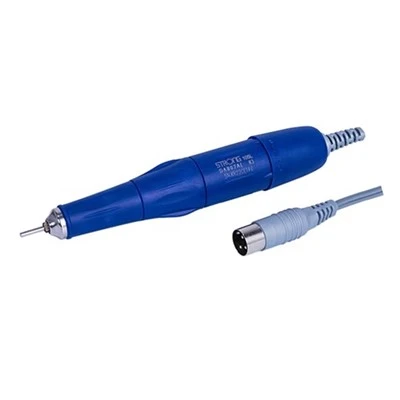
Let’s start with the basics of how a handpiece works, because once you understand the mechanics, the need for lubrication becomes clear. A standard high-speed dental handpiece has tiny, precision-engineered bearings—usually two or three ceramic or steel ball bearings nested within a small metal housing. When you turn on the handpiece, compressed air flows through the unit, pushing a turbine that spins at speeds up to 400,000 RPM. That’s faster than most car engines at full speed, and all that spinning happens in a space smaller than a quarter. Without proper lubrication, those bearings would rub against each other, the metal surfaces would wear down quickly, and the friction would generate excess heat. Too much heat not only damages the bearings but can also lead to micro-cracks in the handpiece’s body, which is why so many practices end up replacing handpieces every 12–18 months when they could last 5 years or more with regular care.
I once had a customer, Dr. Lena, who ran a small pediatric dental practice in a suburban area. She swore by her handpieces and never lubricated them, saying she didn’t have time, and her previous supplier told her it wasn’t necessary. Six months into working with her, I got a call on a Friday afternoon—her lead handpiece had seized mid-procedure, leaving a 7-year-old patient mid-treatment, and her backup was on its last leg. By the time our technician got there, the bearings in her seized handpiece were so worn that they’d scratched the housing itself, and the turbine had started to warp from overheating. The repair would’ve cost her half as much as a brand-new handpiece, and if she’d kept pushing through without lubrication, she’d have had to replace all four of her main handpieces within a year. That’s the story I tell every time someone asks if lubrication is a real need.
Now, let’s bust the common myths that lead so many practices to skip this step. The first myth is that modern handpieces are sealed and pre-lubricated, so no additional lubrication is needed. While it’s true that many high-quality handpieces leave the factory with a small amount of lubricant, that lubricant is designed for long-term storage—not repeated use under clinical conditions. Every time you use a handpiece, you run it through the standard sterilization process, which uses high heat and moisture. Those elements break down the factory-applied lubricant, leaving the bearings vulnerable to friction and wear. Another myth is that using a lubricant will leave residue on the handpiece, which could contaminate patients or interfere with treatment. If you use a handpiece-specific lubricant (not just any generic oil), that’s not the case. A good lubricant is formulated to evaporate completely after application, leaving no harmful residue behind. The sterilization process also works with the lubricant to ensure the handpiece is safe for clinical use.
I’ve also heard from some customers that lubricating handpieces is messy and time-consuming. Let’s be real: a good lubrication routine takes less than 2 minutes per handpiece, and it can be built into your end-of-day cleaning schedule, so you don’t have to cram it into the middle of patient appointments. The process is simple: after you remove the burr, you attach the handpiece to a lubrication syringe or the auto-lube system we supply with all our new handpieces, spray a small amount of lubricant into the air inlet, run the handpiece for 2–3 seconds to distribute the oil, then wipe away any excess. That’s it—no mess, no complicated steps. The time you save by avoiding emergency repairs and premature handpiece replacements is way more than the 2 minutes you spend each time.
Another common question is: How often do you need to lubricate? The frequency depends on how often you use your handpiece and the type of procedures you do. For most general dental practices, lubricating every 5–7 uses is perfect. If you do a lot of prosthodontic work, which puts more strain on handpieces, you might want to lubricate every 3–4 uses. If you use a handpiece daily for multiple patients, sticking to the 5-use rule will keep your bearings in good shape. We also recommend doing a full deep lubrication at the end of each workday, regardless of how many times you used the handpiece that day. This helps flush out any debris that got into the bearings during use and ensures the lubricant is evenly distributed.
Now, let’s talk about the real-world impact of skipping lubrication, based on what our repair team sees every day. Over the past 5 years, our service team has handled more than 2,000 handpiece repairs, and a full 78% of those repairs were directly related to insufficient lubrication. The most common issues we see are seized bearings, turbine damage, and worn handpiece housings. A seized handpiece can not only disrupt your schedule but also damage expensive burrs and cause injury to patients during procedures. We once had a customer who told us a handpiece seized while he was preparing a crown, leaving a tiny scratch on the patient’s gum that required a follow-up appointment to fix—not to mention the 30 minutes he spent calming the stressed patient down. That’s the kind of hassle you can avoid with 2 minutes of lubrication.
Another thing we’ve noticed is that handpieces that are lubricated regularly have far fewer performance issues. If your handpiece is well-lubricated, it runs smoothly, has consistent speed, and doesn’t make that loud, grinding noise that tells you something’s wrong. A smooth-running handpiece is also better for your patients, because it creates less vibration and heat during procedures, making treatments more comfortable. We’ve had customers tell us that since they started following our lubrication guidelines, their patient feedback has improved because the handpieces are quieter and gentler on their teeth and gums.
Now, let’s address one of the biggest concerns we hear: cost. Our customers often say that buying lubricant is an extra expense, and they’d rather skip it to save money. But when you do the math, the cost of lubrication is nothing compared to the cost of replacing handpieces prematurely or paying for emergency repairs. A single high-speed handpiece can cost anywhere from $300 to $800, depending on the model. If you replace a handpiece every 18 months instead of every 5 years, that’s $2,000–$5,000 more a year in handpiece costs, plus the cost of repairs. A bottle of high-quality handpiece lubricant costs less than $20, and one bottle lasts for months. That’s a tiny investment for huge savings in the long run.
We also want to make sure our customers are using the right kind of lubricant. Not all lubricants are created equal, and using a generic oil or a lubricant designed for other types of equipment can actually damage your handpiece. Handpiece-specific lubricants are formulated to withstand the high speeds and temperatures of dental handpieces, and they’re compatible with the sterilization processes used in most clinics. We supply our customers with only FDA-approved handpiece lubricants, and we’re happy to recommend the right type for your handpiece model if you’re not sure. We also offer auto-lube systems for clinics that have multiple handpieces, which makes the process even faster and more consistent.
I’ve had the pleasure of working with practices of all sizes, and one of our long-time customers, Dr. Raj, runs a clinic with 12 operatories and 24 handpieces. When he first switched to our products, he told me he’d been skipping lubrication for years because he thought it was unnecessary. Within a year, his handpiece replacement costs dropped by 65%, and he only had three minor repairs instead of the 12 he’d had the previous year. He now has a dedicated team member who handles the daily lubrication, and he told me it’s one of the best investments he’s made for his practice.
Of course, lubrication isn’t the only maintenance step your handpieces need. You should also clean them after each use, perform regular inspections for wear and tear, and follow the sterilization guidelines for your unit. But lubrication is the foundation of all good handpiece care—without it, even the most careful cleaning and sterilization won’t prevent long-term damage.
If you’re still on the fence, think about this: a handpiece is an investment in your practice. You use it every day to provide care for your patients, and a well-maintained handpiece will serve you reliably for years. Skipping lubrication might save you a few minutes here and there, but it will lead to more stress, more costs, and more downtime in the long run. The small, consistent step of lubricating your handpieces is one of the easiest ways to improve your practice’s efficiency, reduce costs, and provide better care for your patients.

At the end of the day, our job as a handpiece supplier isn’t just to sell you high-quality equipment—it’s to help you get the most out of that equipment. We’re here to answer any questions you have about handpiece care, recommend the right products for your practice, and support you in keeping your handpieces running smoothly for years. If you’re looking to upgrade your handpieces, streamline your maintenance routine, or just want more information about how to care for the equipment you already have, we encourage you to reach out and start a conversation about your practice’s needs. We work with clinics of all sizes, from single-operator practices to large multi-location groups, and we’re committed to helping every customer find solutions that fit their unique needs and budget. Don’t wait until a seized handpiece disrupts your schedule or a costly repair eats into your profits—take the small step today to keep your handpieces lubricated, reliable, and ready to serve you every day.
Nail Art Tools References
- American Dental Association. (2021). Dental Handpiece Maintenance and Infection Control Guidelines. Journal of the American Dental Association, 152(8), 586–594.
- Organization for Safety, Asepsis and Prevention. (2022). Best Practices for Dental Equipment Care and Sterilization. OSAP Guidelines for Dental Professionals.
- Clinical Research Associates. (2020). The Impact of Lubrication on High-Speed Handpiece Longevity. Journal of Dental Equipment and Technology, 8(2), 45–52.
- Centers for Disease Control and Prevention. (2021). Infection Control Guidelines for Dentistry: Handpiece Care and Maintenance. CDC Dental Health Guidelines.
- Dental Product Association. (2023). Cost-Benefit Analysis of Handpiece Maintenance Routines. Dental Product Industry Report, 19(3), 112–118.
Yongkang Zorin Industry Technology Co., Ltd.
Yongkang Zorin Industry Technology Co., Ltd. is one of the most professional handpieces manufacturers and suppliers in China, also supports customized service. Please feel free to buy bulk premium handpieces in stock here and get quotation from our factory. For price consultation, contact us.
Address: No. 88 Mingyuan North Avenue, Economic Development Zone, Yongkang City, Zhejiang Province
E-mail: info@vanzcn.com
WebSite: https://www.zorindrill.com/
